
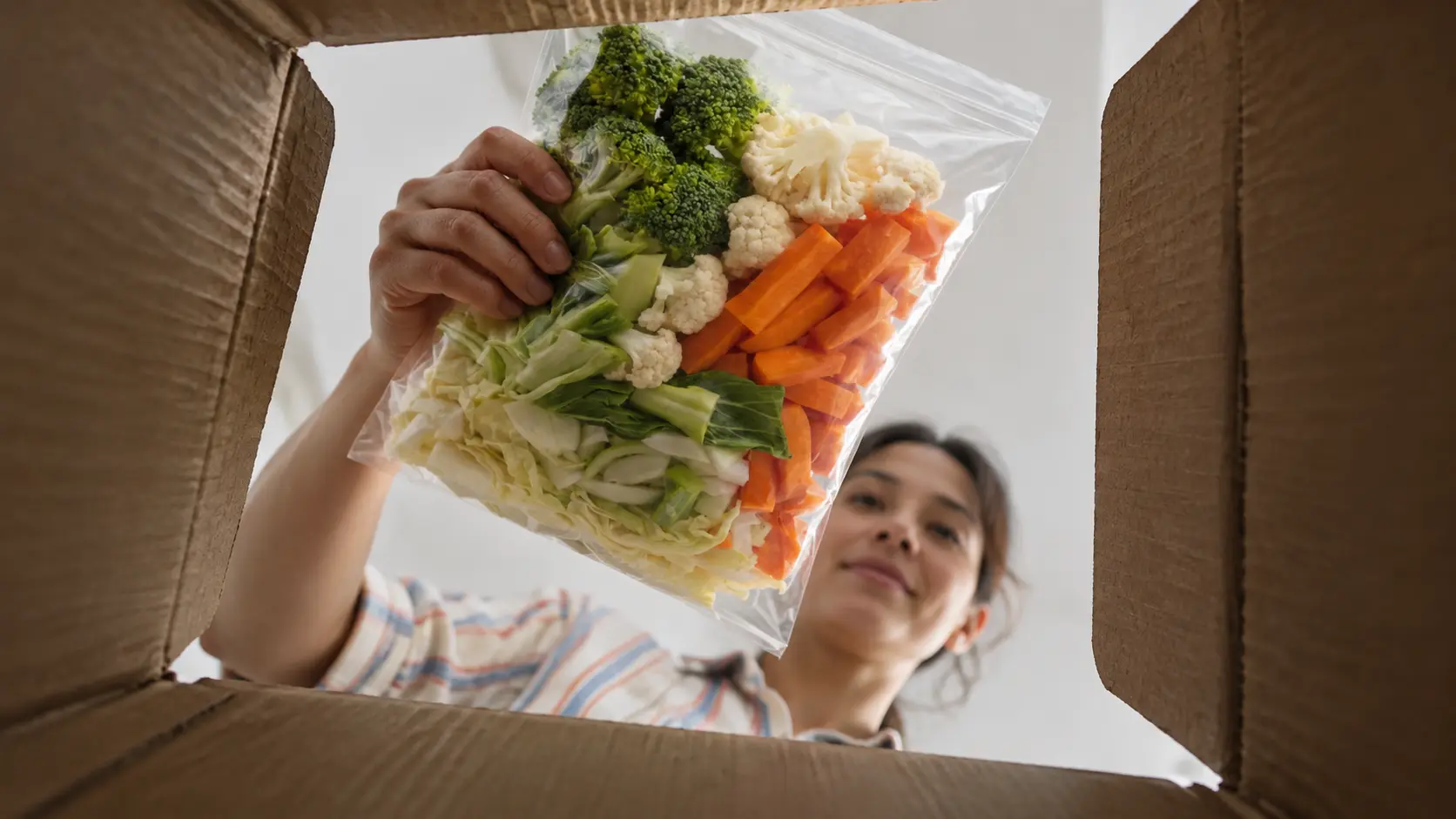
High-quality ingredients are defined by more than their appearance. They depend on how produce is grown, when it is harvested, how carefully it is handled, and whether the right storage conditions are maintained throughout distribution. A vegetable that looks fresh at the supermarket has already gone through several stages that influence its texture, flavor, nutritional quality, and safety. Understanding this journey helps you make better purchasing decisions and keep your ingredients fresh for longer at home.
Quality Starts Before Harvest
The quality of fresh ingredients begins on the farm. Growing conditions such as soil quality, water availability, climate, seed varieties, and agricultural practices influence the characteristics of fruits and vegetables. Harvest timing also matters because each crop has a suitable maturity stage for its intended use. Produce harvested too early or too late may have less desirable texture, flavor, or storage performance.
Once harvested, fresh produce continues to undergo natural biological processes. Vegetables lose moisture and continue to respire, which gradually changes their texture and appearance. Physical damage, excessive heat, and poor handling can accelerate this deterioration. The Indonesian Ministry of Agriculture's post-harvest vegetable handling guidelines emphasize sorting, cleaning, cooling, packaging, and appropriate storage as important steps in maintaining produce quality.

From Farm to Table, What Happens Along the Way?
The journey from harvest to your kitchen involves several interconnected stages. Each stage has a direct influence on how long ingredients maintain their original quality.
First, sorting and grading help identify produce based on size, maturity, appearance, and physical condition. Damaged, bruised, or deteriorating items should be separated to prevent quality problems from spreading to other produce. This process also helps suppliers maintain more consistent product specifications.
Second, pre-cooling helps remove excess field heat shortly after harvesting. Lower temperatures slow down respiration, reduce moisture loss, and delay quality deterioration. This is particularly important for delicate leafy vegetables and other highly perishable produce.
Third, packaging and transportation protect ingredients from physical damage, contamination, and temperature fluctuations. Suitable packaging helps maintain product condition during handling and delivery. Maintaining an appropriate cold chain is equally important because repeated exposure to warm temperatures can shorten the useful storage life of fresh ingredients.
These stages explain why ingredient quality cannot be determined by the farm alone. Good agricultural practices need to continue through storage, distribution, and the final delivery to consumers.
How to Recognize High-Quality Fresh Ingredients
You do not need professional equipment to assess the basic quality of produce when shopping. Start by checking its color, firmness, surface condition, and natural appearance. Fresh leafy vegetables should generally look crisp rather than wilted or slimy. Broccoli should have a firm head with tightly closed florets and a consistent green color, while carrots should feel firm and have a bright orange appearance.
For packaged ingredients, inspect the packaging before purchasing. Avoid products with damaged seals, unusual swelling, leakage, or excessive liquid. Check the use-by date and follow the storage instructions printed on the label. The US Food and Drug Administration also recommends choosing pre-cut vegetables and packaged salad greens that are properly refrigerated when purchased.
One important distinction is that freshness does not automatically mean food safety. Harmful microorganisms can be present even when produce looks normal. Proper hygiene, clean preparation equipment, and appropriate storage temperatures remain essential.
How to Keep Ingredients Fresh at Home
Once your groceries arrive, your storage habits become the next important part of preserving ingredient quality. A few practical adjustments can help prevent premature wilting, moisture damage, and unnecessary food waste.
- Refrigerate perishable ingredients promptly. Place packaged salads, cut vegetables, and other products requiring refrigeration into the fridge as soon as possible. Avoid leaving them inside a warm vehicle or on the kitchen counter.
- Maintain the right refrigerator temperature. Keep your refrigerator at 4°C or below. Use the vegetable drawer to help maintain suitable humidity for fresh produce.
- Control excess moisture. Store whole vegetables dry and wash them shortly before preparation. If you wash produce in advance, dry it thoroughly before placing it in a clean container.
- Separate ingredients properly. Apples and ripe bananas release ethylene gas, which can accelerate deterioration in sensitive vegetables. Keep them away from produce such as broccoli and leafy greens where practical.
- Use clean storage containers. Perforated bags and suitable containers help protect produce while allowing appropriate airflow. A clean paper towel can also absorb excess moisture from leafy vegetables.
For fresh fruits and vegetables that are not labelled ready to eat, wash them under clean running water before preparation or consumption. Avoid using soap, household detergents, or cleaning products. For commercially prepared ready-to-eat products, follow the manufacturer's instructions instead of automatically washing them again.
How Long Do Fresh Ingredients Actually Last?
There is no single shelf-life duration for all fresh ingredients. Different vegetables have different moisture levels, structures, and storage requirements. Their condition at purchase, handling history, packaging, and refrigerator temperature also influence how long they maintain good quality.
The following table provides general household storage estimates at approximately 4°C or below.
| Ingredient | Approximate best-quality storage period |
|---|---|
| Lettuce | 5 to 7 days |
| Spinach and delicate leafy greens | 1 to 2 days |
| Whole broccoli | 3 to 5 days |
| Whole carrots | 1 to 2 weeks |
| Packaged pre-cut vegetables | Follow the package date and instructions |
These estimates are general quality guidelines, not guaranteed food safety limits. Fresh-cut products and packaged salads require particular attention because their storage requirements depend on the processing method and packaging conditions. Always follow the product label and discard ingredients showing mold, sliminess, unusual discoloration, unpleasant odors, or significant deterioration.
Temperature control also matters when food is outside the refrigerator. The FDA recommends that perishable foods should not remain at room temperature for more than two hours, or one hour when the surrounding temperature exceeds approximately 32°C. This is particularly relevant for packaged salads, cut vegetables, and ready-to-eat meals during transportation or outdoor activities.

Make Fresh Ingredients Work with Your Meal Preparation Routine
Buying fresh ingredients is more effective when you have a realistic plan for using them. Purchase delicate leafy vegetables in quantities suitable for the next few days, while longer-lasting ingredients such as whole carrots can support a more flexible weekly menu. Use older ingredients first and place newly purchased items behind existing stock. This simple first-in, first-out approach helps reduce food waste.
Meal preparation can also make fresh produce easier to incorporate into busy routines. You can prepare different ingredients in separate portions, keep salad dressing apart until serving, and schedule meals based on which ingredients need to be consumed first. These habits help preserve texture while making everyday food preparation more manageable.
For related guidance, the Fresh Sprouts blog features topics covering ready-to-eat vegetable safety, healthy meal preparation, and food waste reduction. These subjects complement the importance of selecting and storing high-quality ingredients.
Choosing Fresh Ingredients for Everyday Needs
Maintaining ingredient quality requires attention at every stage, from agricultural production to household storage. Fresh Sprouts provides fresh vegetables, fruits, ready-to-cook ingredients, and ready-to-eat options for household and foodservice needs. Different product categories have different preparation and storage requirements, so checking the product information remains important. Fresh produce may require washing before use, while ready-to-eat products should be handled according to their packaging instructions.
Understanding where ingredients come from, how they are handled, and how long they can maintain their quality helps you make more informed food choices. If you are planning your next grocery purchase, visit the Fresh Sprouts product catalogue to find ingredients that suit your daily meals. For information about product handling, ordering, and delivery, refer to the Fresh Sprouts FAQ.


